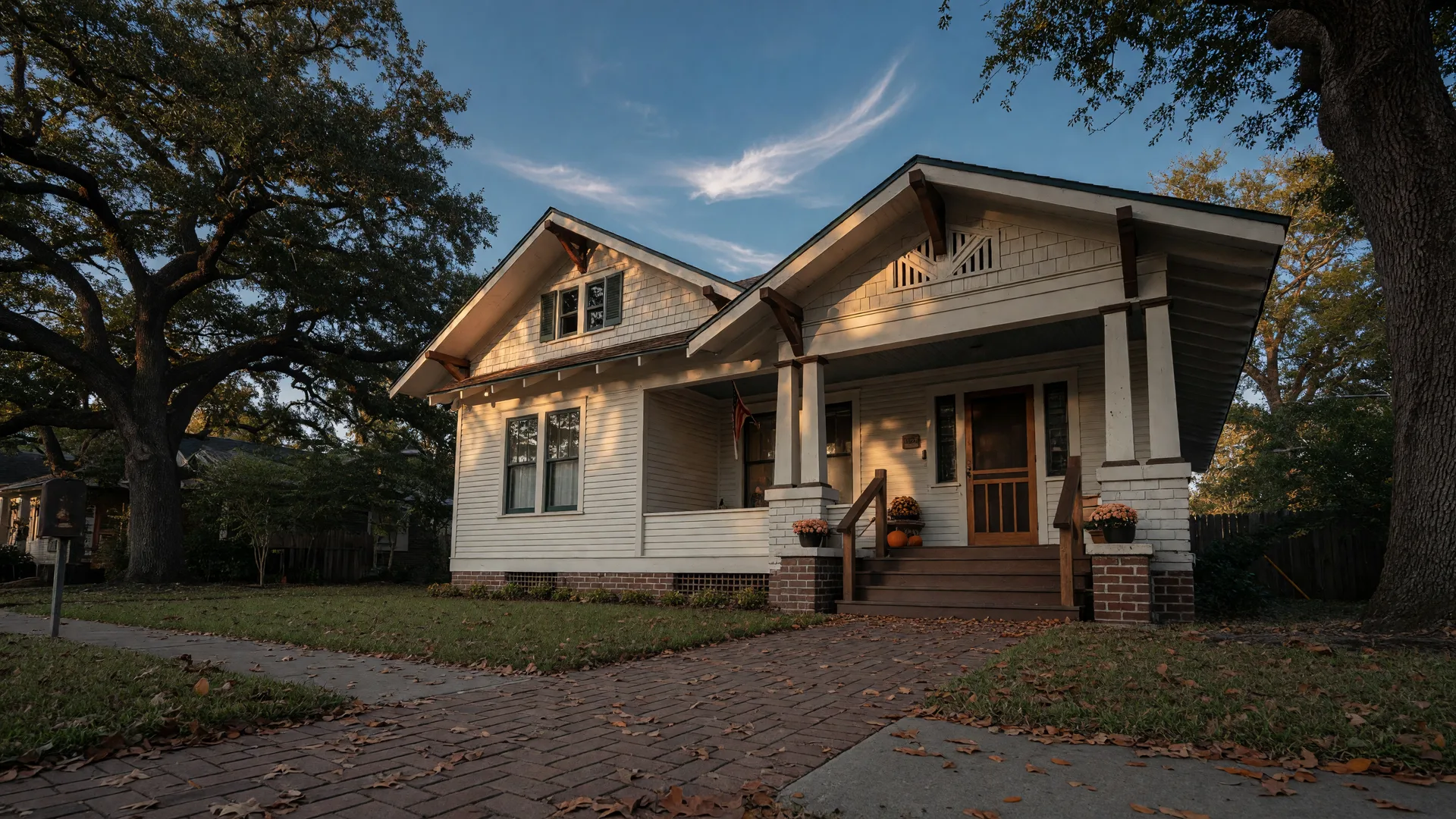

Foundation problems are the first thing many Houston buyers ask about, and for good reason: the clay soil beneath Houston Heights, Garden Oaks, Oak Forest, Timbergrove, Montrose, and the rest of the Inner Loop expands and contracts with every dry spell and heavy rain. That movement is what cracks bricks, sticks doors, and slopes floors. The good news is that a moving foundation is rarely a reason to walk away; it is a reason to understand the home, budget for the future, and negotiate with real information. With 28-plus years working block by block across these neighborhoods, here is what the Shawn Manderscheid Team wants you to know.
Why Houston Homes Move
The culprit is the Beaumont clay that sits under most of Houston. This montmorillonite-rich clay acts like a sponge, expanding by roughly a third of its volume when saturated and shrinking hard when dry. A few dry months pull moisture from under one corner of the house, the clay shrinks, and that corner settles. When the rains return, the clay swells and the foundation rises unevenly. Engineers call this differential movement, and it is why so many Inner Loop homes show seasonal cracking.
Fall Is Prime Season for Foundation Movement
October is when Houston homeowners notice sticking doors and windows. After a long, hot summer of shrinking, dry soil, the first soaking rains swell the clay and tilt the house the other way. That is why a door that closes fine in August can stick by November. The goal is to tell ordinary seasonal movement apart from genuine structural settlement, a job for a licensed structural engineer, not a guess on a showing.
Pier-and-Beam vs. Slab: What You Will Find in Each Neighborhood
The older bungalows of Houston Heights and Norhill, and many Woodland Heights homes, were built on pier-and-beam foundations: wooden framing lifted on piers over a ventilated crawl space. That design keeps plumbing reachable and rides out clay movement better, but the piers, beams, and joists must stay sound and dry. The mid-century ranch homes that fill Oak Forest, Garden Oaks, and Timbergrove were typically built on concrete slabs, which move directly with the clay and can settle at the edges in dry years. Neither type is problem free; each shows its condition in different places. Our home styles guide explains what each era of construction looks like, and the neighborhood guides cover what to expect block by block.
Oak Trees and the Clay
Live oaks are the signature of the Inner Loop, and their roots are a foundation factor: a large oak near the house drinks a great deal of water, drying the clay beneath part of the foundation and creating uneven support. Homes with established oaks should be watered methodically through dry months, and root barriers can help protect newer construction. No one has to remove a beloved Heights oak, but the tree and the foundation share the same soil.
Signs Buyers Should Watch For
During showings, look for stair-step cracks in brick or masonry, diagonal drywall cracks near doors and windows, doors that stick or no longer latch, floors that slope, and gaps where walls meet ceilings. In a Houston Heights bungalow, hairline cracks and a stiff door are often just the house breathing with the seasons. An engineer's report, when the inspector flags significant movement, tells you whether the issue is cosmetic or structural. Your option period is the time to find out, and our home inspection guide walks through exactly what the report covers.
What Foundation Repair Really Costs
Foundation repair in Houston typically runs from the mid-thousands to roughly $10,000 for a standard piering job, with minor slab leveling costing less and severe cases beyond $15,000. Reputable companies drive piers down to stable soil and lift the foundation back toward level. Prices vary with the size of the home, the soil conditions, and how many piers are needed, so compare several engineering-based quotes. For sellers, an honest engineer's report protects a sale better than a problem discovered later; our guide to pre-listing inspections explains why.
The Bottom Line for Buyers and Sellers
Every home in the Inner Loop sits on Houston clay, so foundation condition is a due diligence item, not a deal breaker. Buyers: inspect, measure, and get an engineer's opinion before you negotiate. Sellers: know your home's history and address concerns before you list. That is exactly the kind of problem solving this team has done for clients across the Heights and surrounding neighborhoods for more than 25 years. Starting the buying process or planning a sale? We are here to help. With us, you're not a number but a neighbor. If you are looking at a home with foundation questions, or getting ready to sell one, reach out anytime.