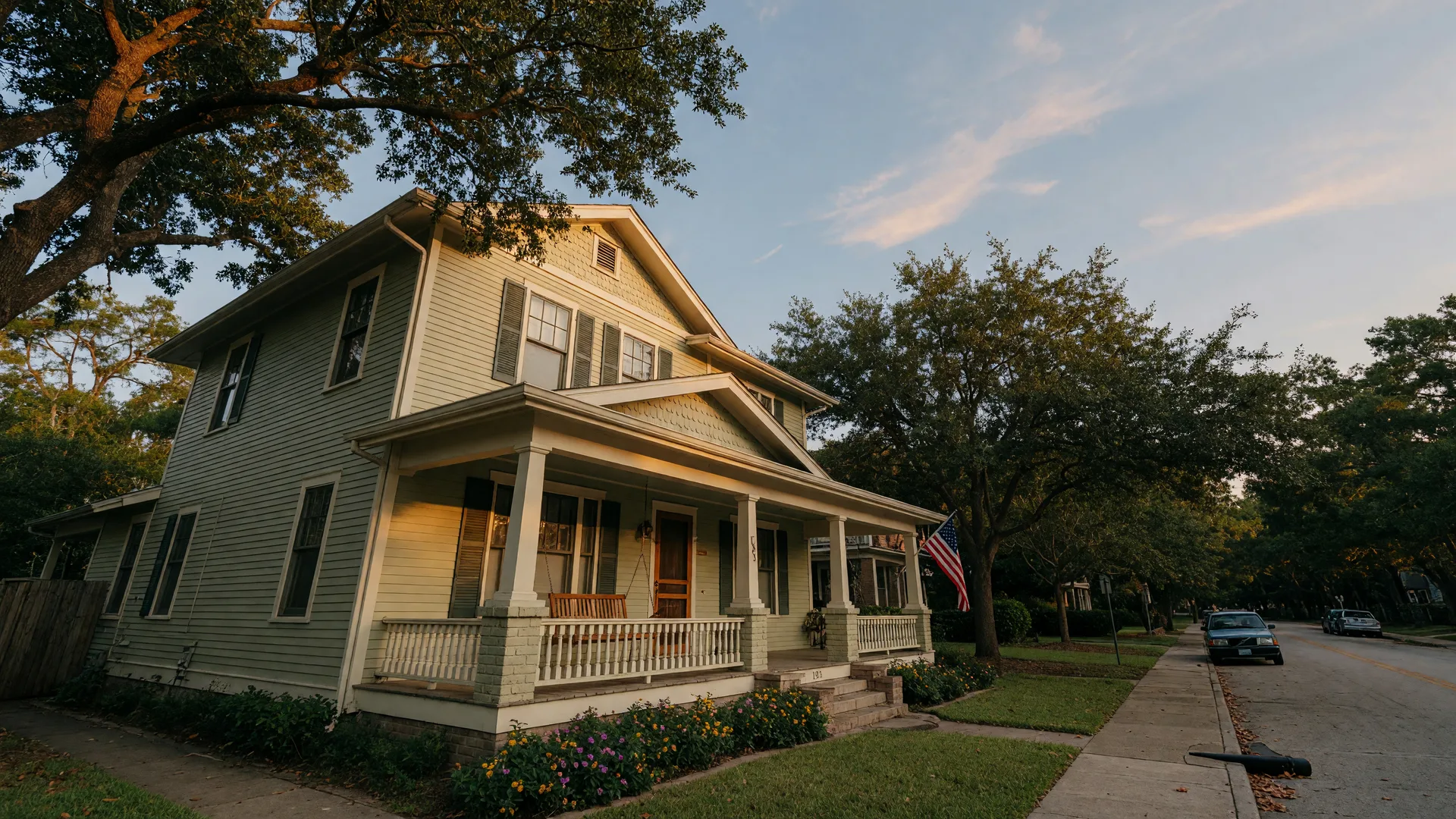

Selling a historic home in the Houston Heights can be one of the most rewarding experiences in Houston real estate, and it comes with rules many first-time sellers don't expect. If your house sits inside a City of Houston historic district, exterior changes, additions, and demolition are governed by preservation regulations that shape your timeline, your buyer pool, and ultimately your sale price. As a team with four generations of family history in the Heights, we know these rules inside and out, and we help our sellers turn them from a hurdle into an advantage.
Why Historic Character Still Drives the Heights Market
The Heights was platted in 1891 as Houston's first planned streetcar suburb, with its tree-canopied streets, Craftsman bungalows, and corner stores giving it a character you simply can't find elsewhere inside the Loop. In 1983 the neighborhood was listed on the National Register of Historic Places, and today the city recognizes multiple designated historic districts across the area, from Heights East and West to Heights South. That protected character is exactly what keeps demand so strong: buyers come here for period wood floors, original trim, and front porches, not for a readymade anywhere-house.
That same character carries a real price premium. Well-preserved contributing bungalows with modern, updated kitchens tend to command the strongest sale prices in the area. Our family has watched these streets and their values evolve for generations, and the pattern has held: historic charm plus thoughtful updates is the sweet spot for serious buyers.
The Certificate of Appropriateness and the HAHC
If your home is inside a city-designated historic district, exterior work generally requires a Certificate of Appropriateness, or COA, reviewed by the Houston Archaeological and Historical Commission. This applies to alterations, additions, new construction, and demolition, and it governs all structures inside the district regardless of their age. New work must be "compatible" with contributing buildings nearby in massing, form, scale, and front setback.
Here's what that means for a seller, in practical terms. When a buyer asks whether a renovation was approved or whether a planned change is feasible, you want clean, documented answers. If any exterior work was done without a COA, the buyer may need to resolve that through the review process later, which can complicate a closing timeline. Before you list, we help you identify anything a buyer's title attorney or inspector might flag so there are no surprises mid-negotiation.
Contributing vs. Non-Contributing: What It Means for Value
A "contributing" structure is one that reinforces the district's historic character, typically dating from its period of significance. A "non-contributing" one, due to age, major alterations, or other factors, does not. Contributing homes face stricter design review for changes, but they also carry the strongest appeal to buyers who value authenticity. The tradeoff is clear in the market: homes inside the historic district command a meaningful premium over comparable homes outside the overlay, and the most preserved, intact examples earn the top prices.
The Fall 2026 Market for Historic Homes
Demand for Heights homes remains strong as we head into the fall season. Median prices in the broader Heights area sit well above the Houston metro median and have continued to climb year over year, even as parts of the broader market have softened. Inventory is tight, days on market remain short, and well-priced, well-presented historic homes routinely draw multiple offers. In short, a historic home in the Heights is not a hard sell. It's a highly competitive one, which makes strategic positioning more important than ever.
If you'd like to see where your home fits in the current landscape, our Inner Loop neighborhood price guide and our review of why the Heights keeps outperforming the broader Houston market are a great place to start.
How to Prepare a Historic Home for Sale
- Gather your paperwork. Pull together any COAs, permits, and renovation records for past exterior work so buyer questions are answered on day one.
- Highlight the character. Original wood floors, trim, doors, and fixtures are a feature. Make sure a strong listing story leads with them rather than burying them.
- Be upfront about rules. Serious buyers appreciate a clear explanation of what the historic district allows. Transparency builds trust and reduces negotiation friction.
- Price for the address and the status. Contributing status, district location, and condition should all be reflected in your pricing strategy, not just square footage.
How the Shawn Manderscheid Team Can Help
As a Top 1% Houston real estate team with over 500 five-star reviews, we've guided hundreds of sellers through the Heights and surrounding Inner Loop neighborhoods, historic and new alike. Our family has called the Heights home for four generations, and we understand both the preservation rules and the market that rewards getting them right. For buyers, our guide to buying a historic home in the Heights covers the other side of that same transaction.
For a broader view of getting your home market-ready, our complete guide to selling your Houston Heights home walks through pricing, marketing, and negotiation step by step. Newer to the area? Explore the neighborhoods we love on our neighborhood guides page.
"With us, you're not a number but a neighbor."
Warmly, Shawn Manderscheid
Selling a historic home in the Heights is about more than a transaction. It's about stewardship of a neighborhood our family has loved for generations, and it deserves a plan that protects both your money and the home's character. If you're thinking about selling, or just want a clear read on what your home is worth, we'd love to help.